

Accredited and non-accredited courses and VOCs include, but are not limited to:
High Risk Work Licences:
TLILIC0003 Licence to operate a forklift truck
TLILIC0005 Licence to operate a boom-type elevating work platform
(boom length 11 metres or more)
Yellow Card (through EWP Association of Australia):
Scissor Lift (Yellow Card)
Vertical Lift (VL), Boom Lift under 11mtrs (BL),
Trailer Lift (TL), Truck Mount (TM) if required
RIIHAN301E Operate elevating work platform available if required
Nationally Recognised Statements of Attainment:
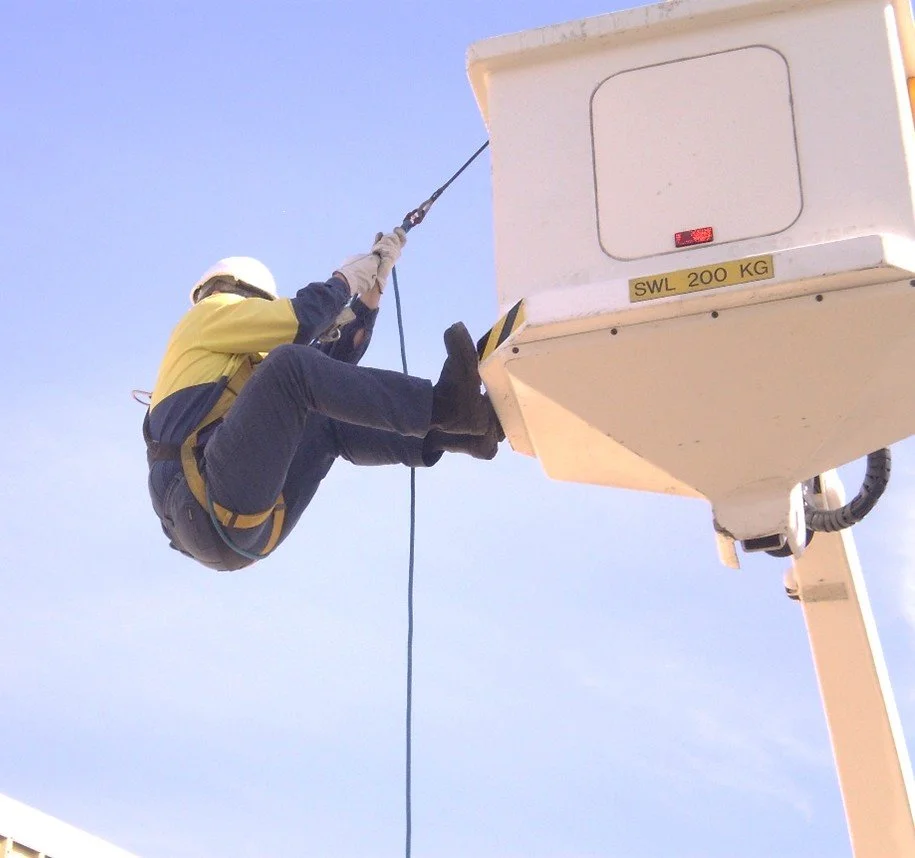
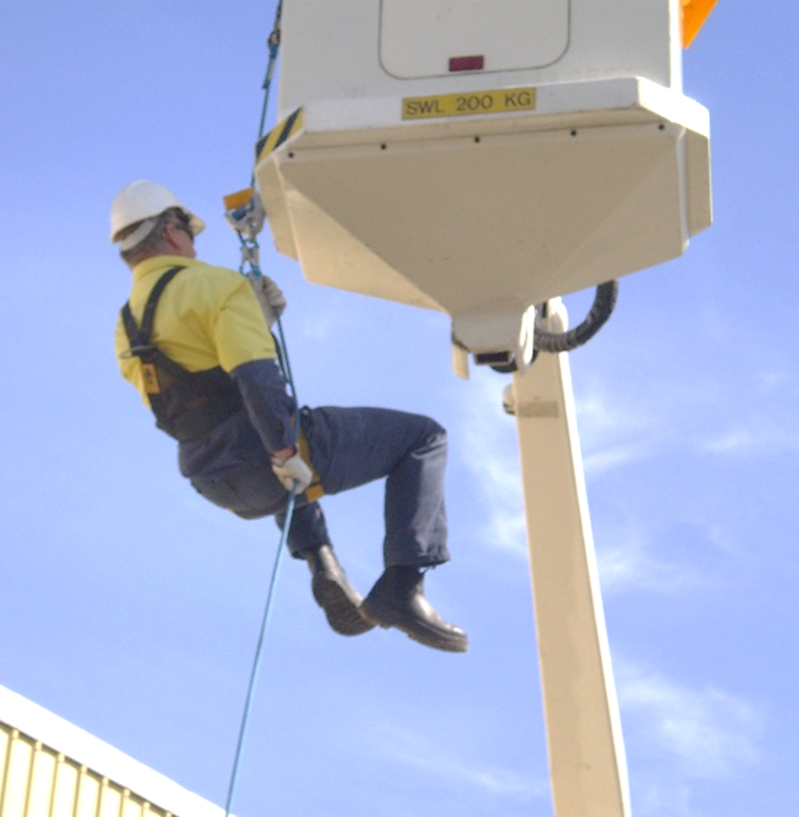
UETDRMP004 Perform EWP controlled descent escape
UETDRMP005 Perform EWP rescue
Loadshifting equipment:
RIIMPO304E Conduct wheel loader operations
RIIMPO321F Conduct civil construction wheel loader operations
RIIMPO334E Conduct skid steer loader operations using attachments
RIIMPO318F Conduct civil construction skid steer loader operations
RIIMPO301E Conduct hydraulic excavator operations
RIIMPO320F Conduct civil construction excavator operations
RIIHAN309F Conduct telescopic materials handler operations
RIIHAN311F Conduct operations with integrated tool carrier
RIIMPO317F Conduct roller operations
RIIMPO326E Conduct water vehicle operations
Power equipment:
Chainsaw: RIIMPO208F Operate support equipment
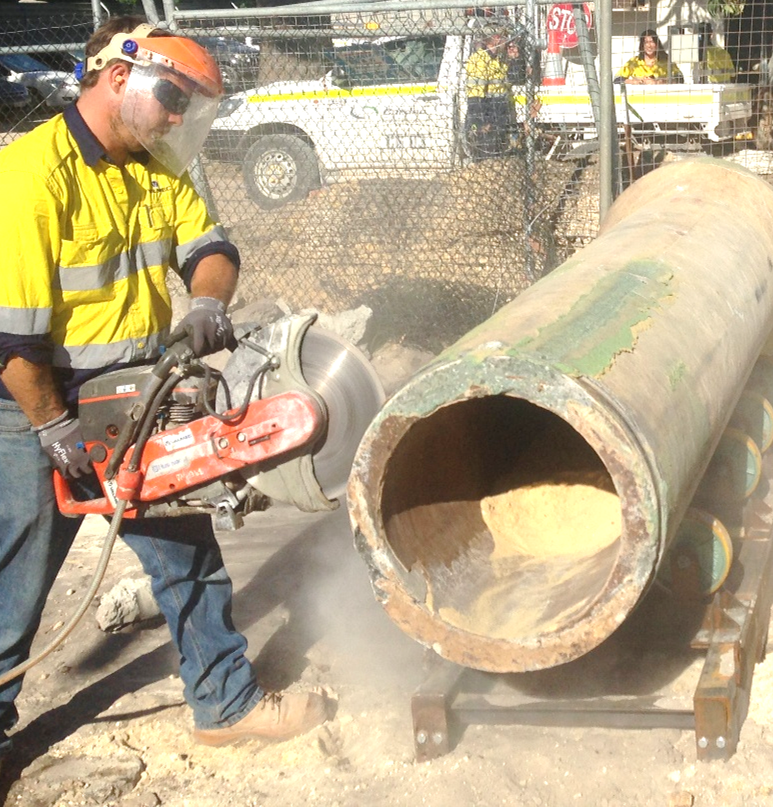
Quick-cut saw: RIISAM204E Operate small plant and equipment
Work safely at heights:
RIIWHS204E Work safely at heights
Confined space entry / Gas test atmospheres:
RIIWHS202E Enter and work in confined spaces
MSMWHS217 Gas test atmospheres
MSMPER200 Work in accordance with an issued permit
Our Training Courses - training on your site
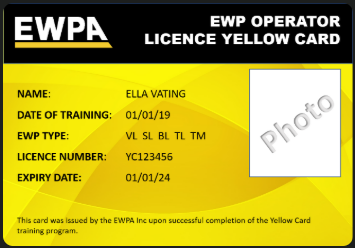
Yellow Card
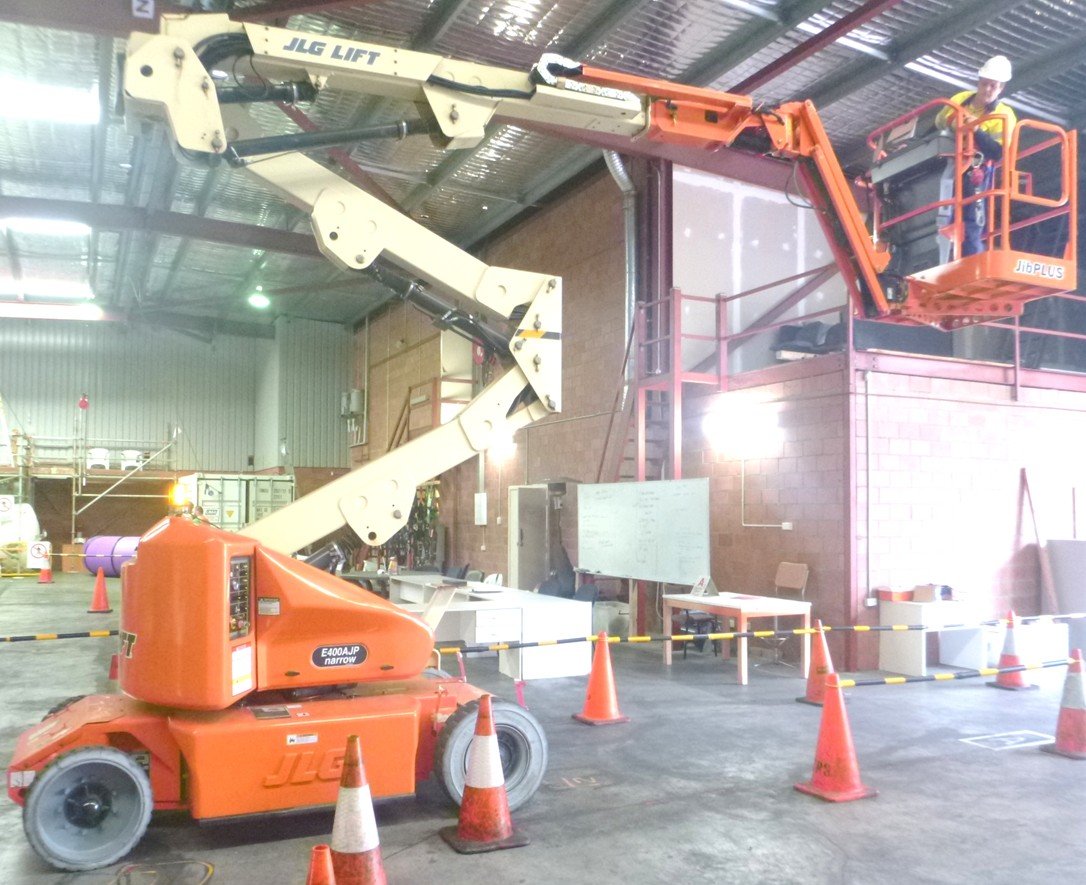
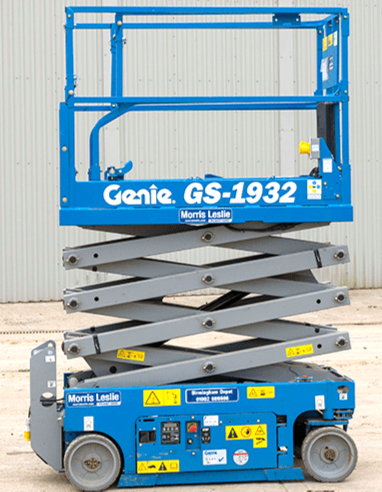
Scissor Lift , or other EWP / Elevating Work Platform under 11 metres
Scissor Lift (Digital Yellow Card issued through the EWP Association of Australia):
Yellow Card training and assessment is also available for other EWPs under 11 metres - Vertical Lift (VL), Boom Lift (BL), Trailer Lift (TL), Truck Mount (TM) if required.
Training and assessment are conducted on your site in accordance with the EWPA Yellow Card requirements.
All Elements and Performance Evidence from the unit of competency must be achieved. However, the initial emphasis is on the operator being able to operate the Scissor Lift slowly and controlled. They must be able to manoeuvre in tight areas. Once they can do this, the other requirements are a lot easier to achieve.
One day course.
Maximum 6 inexperienced operators. They must have no problems reading and writing in the English language.
Maximum 10 operators if all operators are experienced and have no problems reading and writing in the English language.
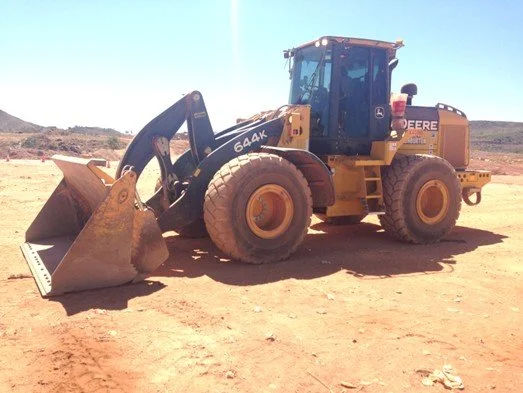
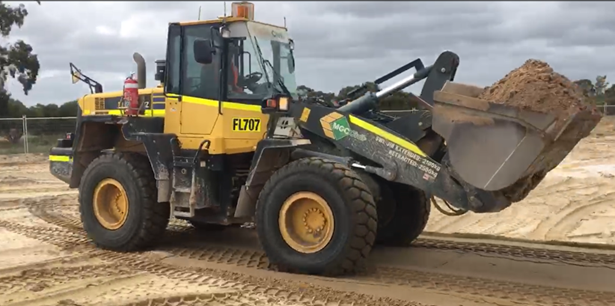
Front end loader
The focus during the training is for the operators to understand all of the controls on the front end loader, and use these to their advantage. The initial emphasis is on the operator being able to get a full bucket load of material without spinning the wheels or overworking the machine. Once they can do this, the other requirements are a lot easier to achieve. All Elements and Performance Evidence from the unit of competency must be achieved.
One-day course.
Maximum 4 inexperienced operators if there is one machine.
Maximum 6 inexperienced operators if there are two machines.
Note: The civil construction unit of competency for front end loaders (RIIMPO321F Conduct civil construction wheeled front end loader operations) requires a much higher level of skill than the general sector unit of competency (RIIMPO304E Conduct wheel loader operations). The civil construction unit of competency can only be achieved by experienced operators, as the operator is required to perform the following:
Use two different material types, mixing materials, stripping/spreading materials, loading, cutting/boxing, excavating, backfilling, assisting with loading and unloading loader from float/trailer.
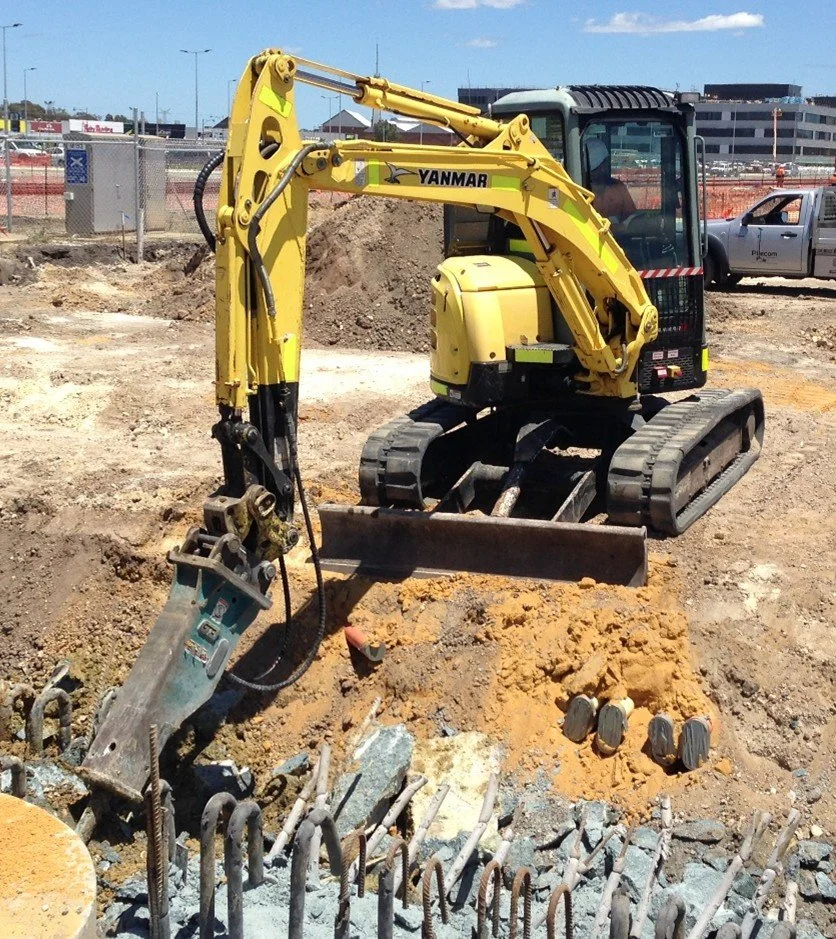
Excavator
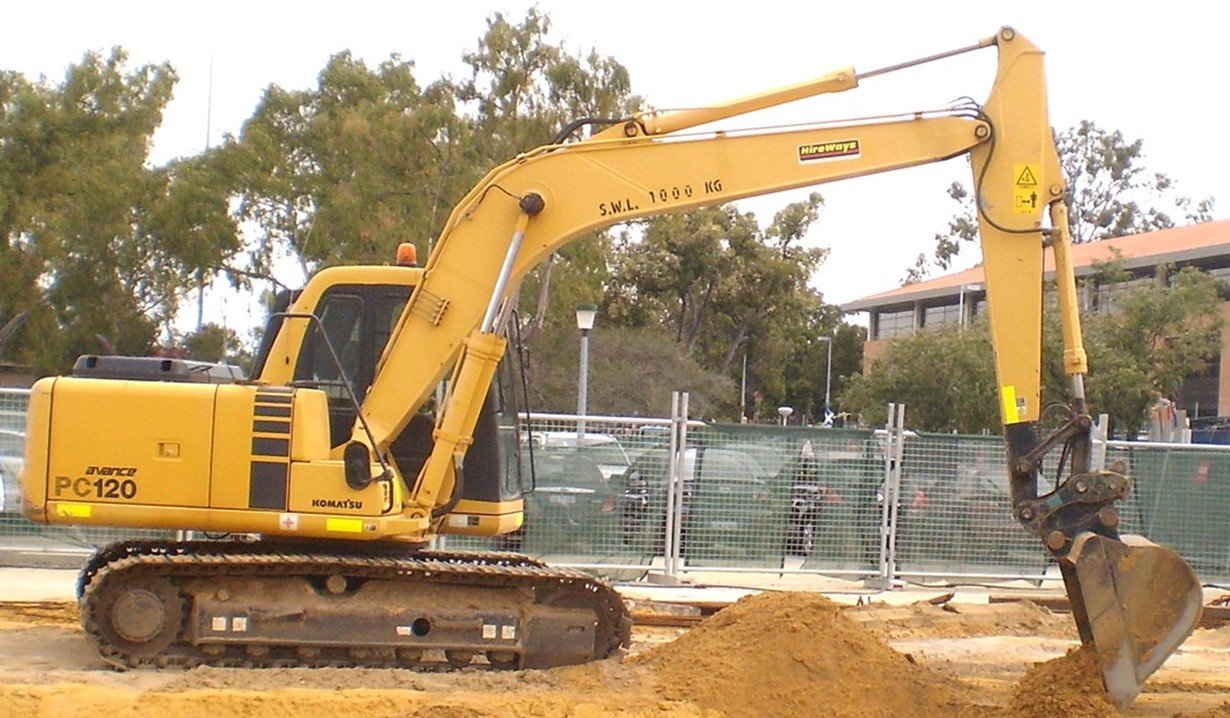
The focus during the training is for the operators to understand all of the controls on the excavator and use these to their advantage. The initial emphasis is on the operator being able to get a full bucket load of material without just ‘hooking’ the bucket load of material. They must be able to demonstrate good control of the bucket so they will be able to excavate a level trench. Once they can do this, the other requirements are a lot easier to achieve. All Elements and Performance Evidence from the unit of competency must be achieved.
One-day course.
Maximum 4 inexperienced operators if there is one machine.
Maximum 6 inexperienced operators if there are two machines.
Note: The civil construction unit of competency for excavator (RIIMPO318F Conduct civil construction excavator operations) requires a much higher level of skill than the general sector unit of competency (RIIMPO301E Conduct hydraulic excavator operations). The civil construction unit of competency can only be achieved by experienced operators, as the operator is required to perform the following:
Use two different material types and select, fit, test, use and remove at least three attachments.
Required tasks to be conducted include loading, cutting/boxing, stripping/spreading, lifting and carry materials, bulk excavation, mixing/backfilling, trench excavation, stockpiling, battering, benching, assisting with loading and unloading loader from float/trailer.
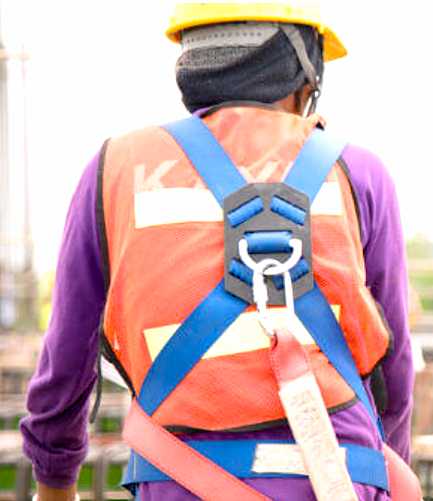
Work safely at heights
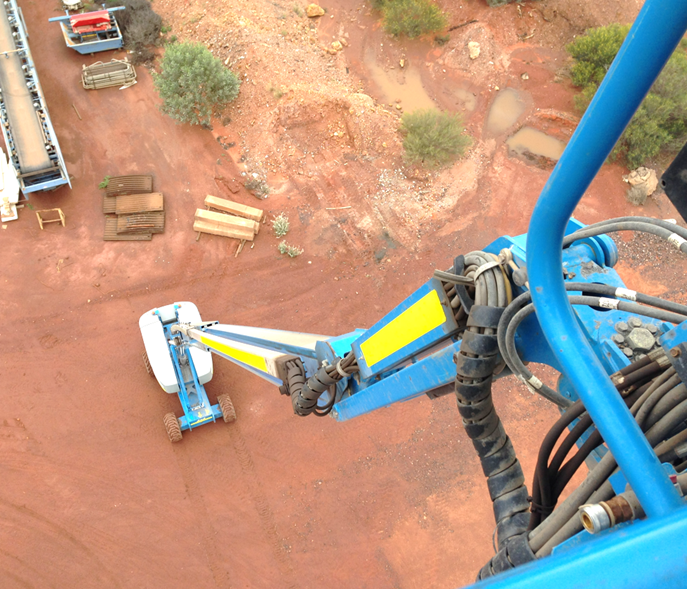
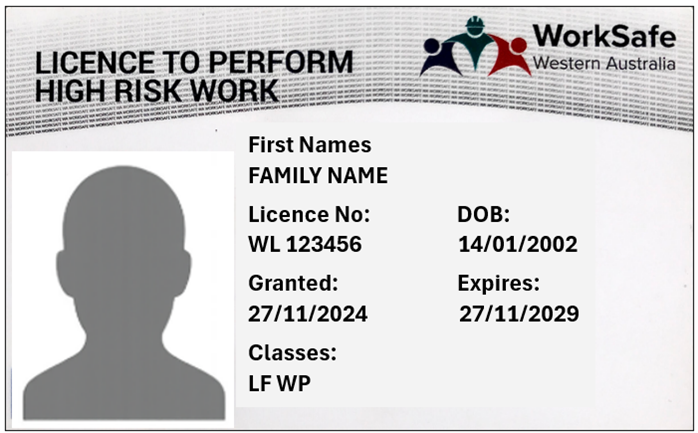
High Risk Work Licence Class WP
Boom type EWP greater than 11 metres
The initial emphasis is on the operator being able to set the EWP up on a firm, flat, level surface. The operators then get experience using the EWP. The operator must understand all of the controls on the EWP and be able to use them to their advantage. The operator will also be taught how to manoeuvre the EWP in tight areas. Once they can do these tasks, the other requirements are a lot easier to achieve. All Elements and Performance Evidence from the unit of competency must be achieved.
The regulator has set a closed book Knowledge Assessment with 64 open ended questions. There is no access to workbooks or other references. Translators are not permitted. It is critical that the learners understand the material in their workbook. Verbal assessments can only be accommodated one-on-one. (Extra time would be required for one-on-one assessments.) Verbal assessments cannot be done in a group situation.
Successful participants will receive an Interim Notice of Satisfactory Assessment. This is a ‘paper licence’ that is valid for 60 days to allow WorkSafe time to process and issue the High Risk Work Licence. All paperwork is collated by AndCam Training and forwarded to WorkSafe W.A. There is nothing more the participant or client is required to do following the completion of the course.
Two-day course for those with little or no experience. Pre-course reading and workbook must be completed prior to the course.
Maximum 4 inexperienced operators if there is one EWP. Maximum 6 inexperienced operators if there are two EWPs available to use.
One-day “assessment only” for those with experience. Pre-course reading and workbook must be completed prior to the course. No time is available for either theory training, or practical training. Operators must be experienced. Operators must be able to set the EWP up safely. They must be able to manoeuvre in tight areas. They must have no issues reading or writing in the English language.
Maximum 8 operators if all are experienced.
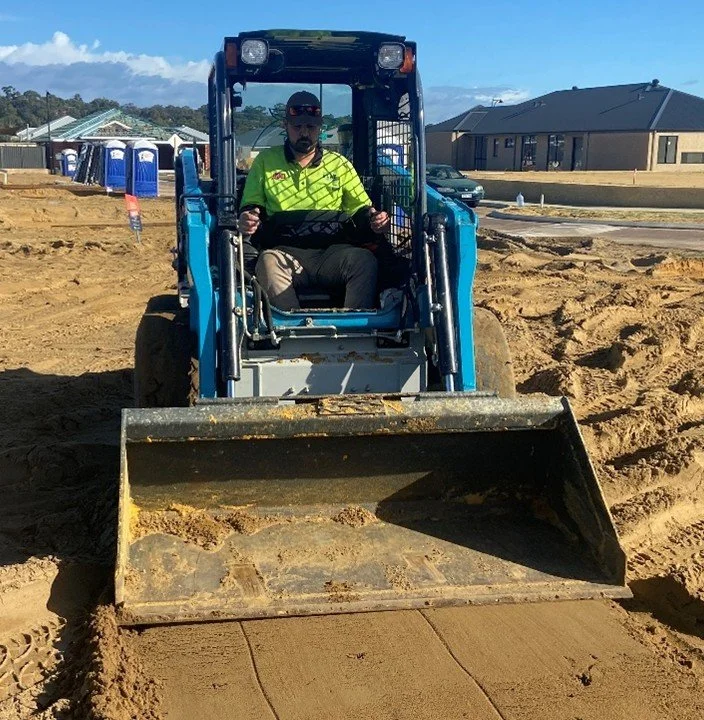
Skid steer loader
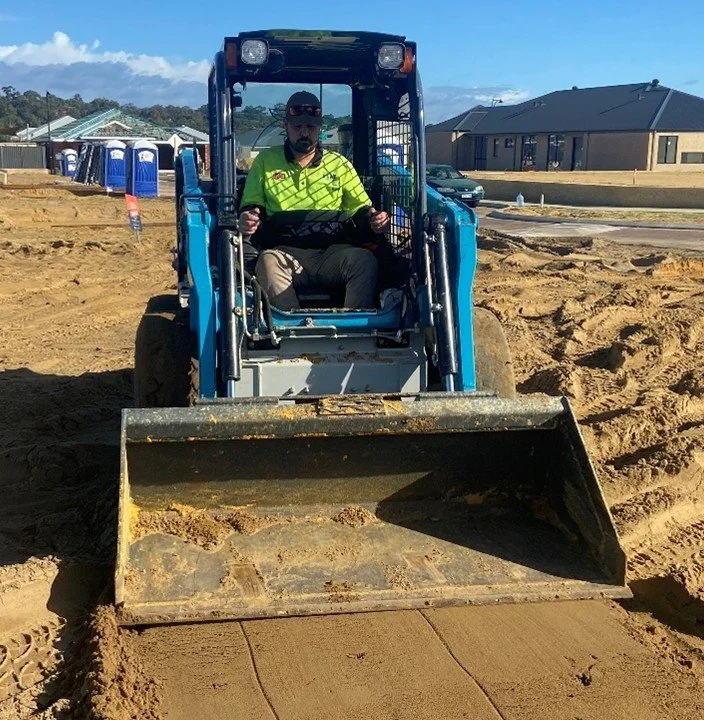
The focus during the training is for the operators to understand all of the controls on the skid steer loader, and use these to their advantage. The initial emphasis is on the operator being able to get a full bucket load of material without spinning the wheels or overworking the machine. Once they can do this, the other requirements are a lot easier to achieve. All Elements and Performance Evidence from the unit of competency must be achieved.
One-day course.
Maximum 4 inexperienced operators if there is one machine.
Maximum 6 inexperienced operators if there are two machines.
Note: The civil construction unit of competency for skid steer loaders (RIIMPO318F Conduct civil construction skid steer loader operations) requires a much higher level of skill than the general sector units of competency (RIIMPO334E Conduct skid steer loader operations using attachments). The civil construction unit of competency can only be achieved by experienced operators, as the operator is required to perform the following:
Use two different material types, mixing materials, stripping/spreading materials, loading, cutting/boxing, excavating, backfilling, assisting with loading and unloading loader from float/trailer.
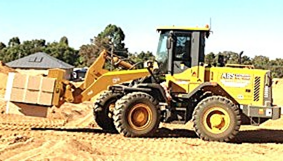
ITC - Integrated Tool Carrier
The focus during the training is for the operators to understand all of the controls on the ITC and use these to their advantage.
If using the bucket, the initial emphasis is on the operator being able to get a full bucket load of material without spinning the wheels or overworking the machine.
If using forks, the operator must be able to get the forks level at different heights. This will enable them to stack and unstack pallets and loads cleanly. Once they can do this, the other requirements are a lot easier to achieve. All Elements and Performance Evidence from the unit of competency must be achieved.
One-day course. Maximum 4 inexperienced operators if there is one machine.
Maximum 6 inexperienced operators if there are two machines.
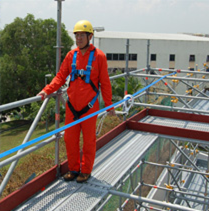
There is an almost infinite number of situations where a person may be working at height - somewhere that they could fall from one level to another.
There is an almost infinite number of different types of height safety equipment in the marketplace designed to cater for almost every different situation.
The common element is the safety harness.
The focus during the training is for the participants to understand what is defined to be a working at heights situation, and to make sure they do not place themselves in a position where they can fall. This is rarely possible. So they must know how to inspect and fit a safety harness correctly. This is to ensure that any accidental fall would have the minimum affect on their health and safety. Once they can do this, the other requirements are a lot easier to achieve. All Elements and Performance Evidence from the unit of competency must be achieved.
One-day course.
Maximum 6 inexperienced participants if there are not multiple harnesses available to use.
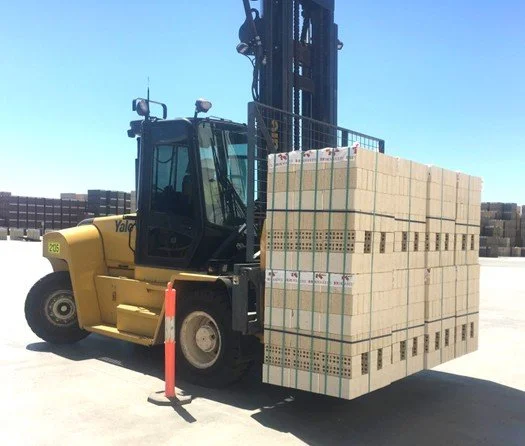
High Risk Work Licence Class LF
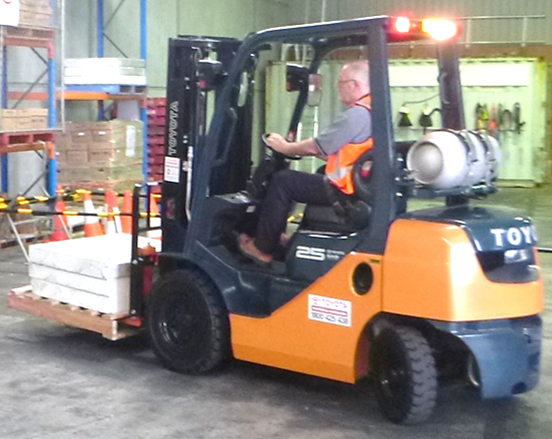
Forklift
The focus during the training is to get the operators experience operating the forklift. However, the initial emphasis is on the operator being able to manoeuvre the forklift in tight areas and to stack and unstack loads cleanly. Once they can do this, the other requirements are a lot easier to achieve. All Elements and Performance Evidence from the unit of competency must be achieved.
The regulator has set a closed book Knowledge Assessment with 61 open ended questions. There is no access to workbooks or other references. Translators are not permitted. It is critical that the learners understand the material in their workbook. Verbal assessments can only be accommodated one-on-one. (Extra time would be required for one-on-one assessments.) Verbal assessments cannot be done in a group situation.
Successful participants will receive an Interim Notice of Satisfactory Assessment. This is a ‘paper licence’ that is valid for 60 days to allow WorkSafe time to process and issue the High Risk Work Licence. All paperwork is collated by AndCam Training and forwarded to WorkSafe W.A. There is nothing more the participant is required to do following the completion of the course.
Two-day course for those with little or no experience. Pre-course reading and workbook must be completed prior to the course.
Maximum 4 inexperienced operators if there is one forklift. Maximum 6 inexperienced operators if there are two forklifts available to use.
One-day “assessment only” for those with experience. Pre-course reading and workbook must be completed prior to the course. No time is available for either theory training, or practical training. Operators must be experienced. Operators must be able to manoeuvre in tight areas and be able to stack and unstack loads cleanly. They must have no issues reading or writing in the English language.
Maximum 8 operators if all are experienced.
Note: It is preferred that there are 2 machines to be used for training and assessment with mobile plant, if there are more than 3 operators. These may be the same type of machine, or 2 different types of machines, e.g. front end loader and skid steer loader, or telescopic handler and excavator. This is to ensure that the operators are spending time operating the equipment and not standing around with little to do. These machines may include, but are not limited to front end loader, skid steer loader, backhoe, integrated tool carrier, telehandler, excavator, or roller.
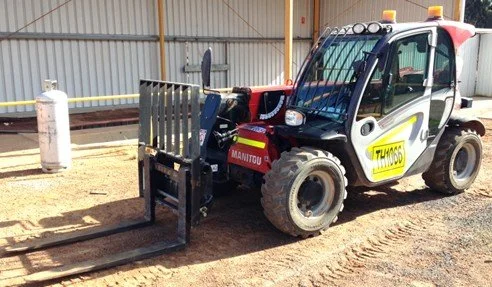
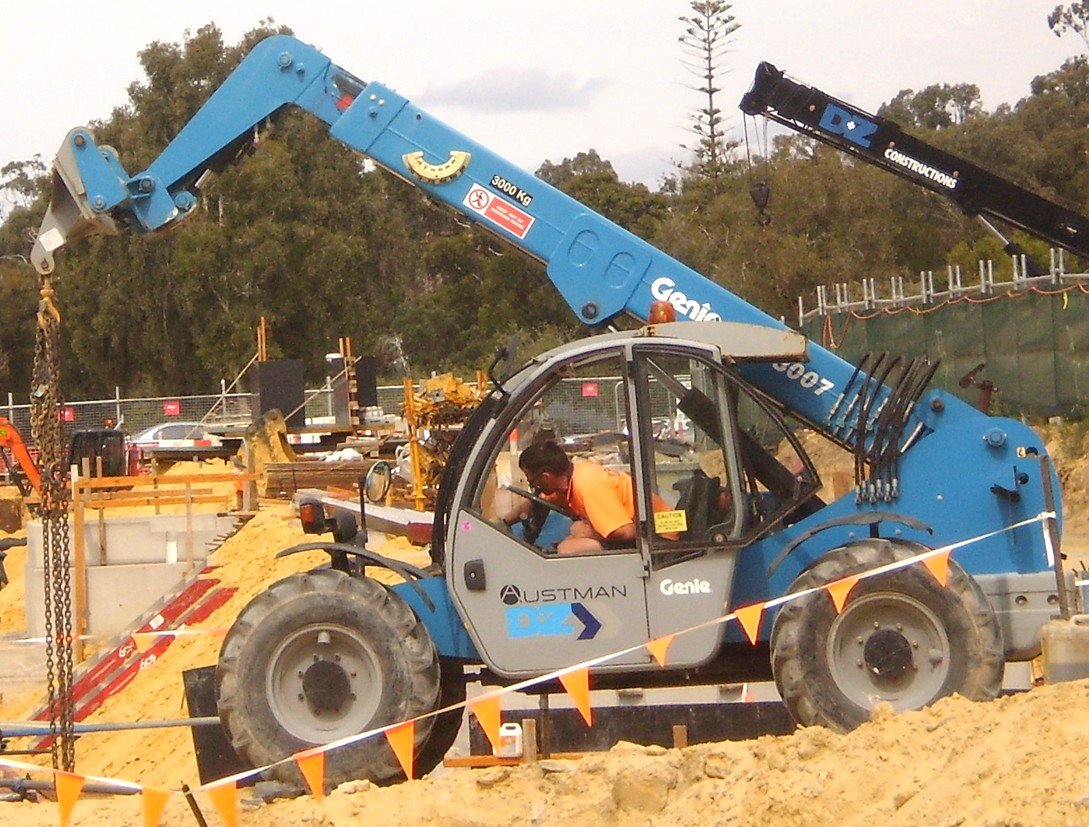
Telescopic materials handler
The focus during the training is for the operators to understand all of the controls on the telehandler, and use these to their advantage. The initial emphasis is on the operator being confident in using the attachment competently and using the telescoping function of the machine with the attachment they are using. Once they can do this, the other requirements are a lot easier to achieve. All Elements and Performance Evidence from the unit of competency must be achieved.
One-day course.
Maximum 4 inexperienced operators if there is one machine.
Maximum 6 inexperienced operators if there are two machines.
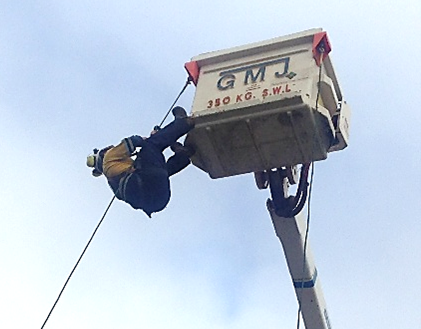
Perform EWP controlled descent escape and / or Perform EWP rescue
Participants are taught how to use the Controlled Descent Escape device at ground level. They then use the device at height.
Participants are taught how to use the auxiliary lowering device on the EWP. They must be able to lower the EWP from the base controls, and by using the auxiliary lowering device. They must remove the victim from the bucket and perform any needed first aid.
Both units are usually done together. However, individual units can be done if that is all that is needed.
Pre-requisites for Controlled descent escape:
WP High Risk Work Licence / TLILIC0005 Licence to operate a boom-type elevating work platform (boom length 11 metres or more),
or
UEECD0007 Apply work health and safety regulations, codes and practices in the workplace
Pre-requisites for EWP Rescue:
HLTAID009 Provide cardiopulmonary resuscitation,
and
WP High Risk Work Licence / TLILIC0005 Licence to operate a boom-type elevating work platform (boom length 11 metres or more)
or
UEECD0007 Apply work health and safety regulations, codes and practices in the workplace
or
UETDREL006 Work safely in the vicinity of live electrical apparatus as a non-electrical worker.
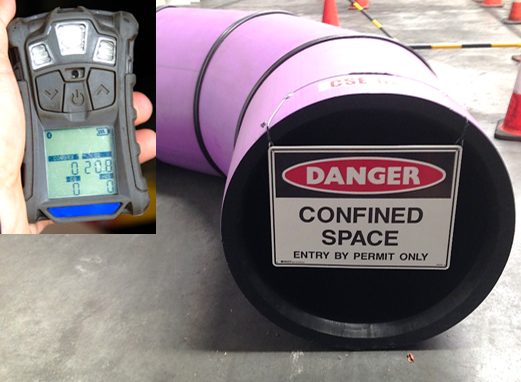
Enter and work in confined spaces and Gas test atmospheres
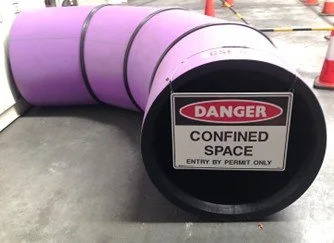
The focus during the training is for the participants to understand what is defined to be a confined space. They need to be aware of the hazards that can be present. They need to control the hazards as far as is practical. This is to ensure that the confined space does not present a significant risk to their health and safety. This is assisted by completing a confined space entry permit. Participants are guided through all of the steps associated with completing a confined space entry permit.
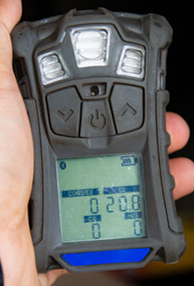
One of the significant hazards associated with confined spaces is the potential for harmful gases to be present. Participants must know how to use the gas detector. This is to help ensure that any potential harmful gases will not present a significant risk to their health and safety.
Once participants can identify confined spaces, complete a confined space entry permit, and conduct gas testing, the other requirements are a lot easier to achieve. All Elements and Performance Evidence from the units of competency must be achieved.
One-day course.
Maximum 6 inexperienced participants if there are not multiple gas detectors available to use.
Contact us
Can we help you with your training needs, or would you just like more information?
T: 0410 571 615
Or fill out some details and we will be in touch shortly.
We look forward to hearing from you.